Projects
Get involved
Explore various projects that align with your passions!
Resilience & The Art of Letting Go
Hover to discover
Resilience & The Art of Letting Go
How do we cope with change? How can learning to let go help us appreciate life more fully?
Resilience & the Art of Letting Go is an Erasmus+ Youth Exchange that invites young people from Denmark and Luxembourg to explore resilience, emotional well-being, and the universal experience of letting go. Rather than focusing on sadness, this project celebrates life by encouraging meaningful conversations about remembrance, personal growth, and the different ways cultures approach loss and transition.
Throughout the exchange, participants will take part in interactive workshops, photography activities, reflection sessions, discussions, and intercultural learning. Together, we'll develop practical tools for building resilience, managing life's transitions, and creating lasting international friendships.
Project Information
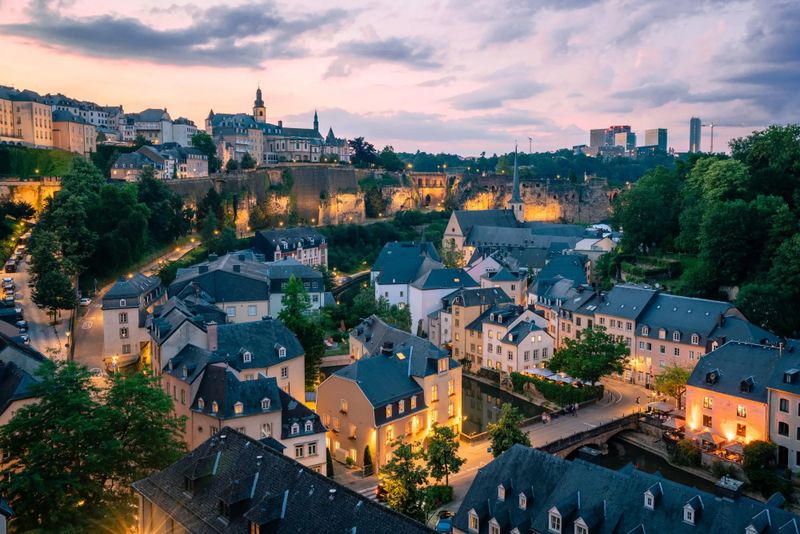
Location: Luxembourg City, Luxembourg
Dates: 1 November (Arrival) – 9 November (Departure), 2026
Participants: 8 participants including 4 with fewer opportunities + 1 leader
Who are we looking for?
We're looking for young people who:
Are between 18 and 30 years old
Live in Denmark
Are interested in mental health, emotional resilience, and personal development
Are open to discussing sensitive topics such as grief, remembrance, and life transitions in a respectful and constructive environment
Enjoy learning through non-formal education, creative workshops, and intercultural exchange
Are willing to actively participate throughout the project and share what they learn with their local community afterwards
No previous Erasmus+ experience is required just curiosity, openness, and a willingness to learn.
Costs & Logistics (Erasmus+)
Accommodation: Luxembourg City Youth Hostel, located in the beautiful Pfaffenthal district near the historic city centre.
Food: Accommodation and meals are fully covered by the Erasmus+ programme.
Travel: Travel costs are reimbursed according to Erasmus+ distance bands. Denmark team are travelling with a green travel (417€)
Administrative fee: A small participation fee of 200 DKK is payable after acceptance.
How to Apply
Ready for a unique journey of self-discovery, intercultural learning, and meaningful conversations?
📄 Read the Infopack for practical details
📝 Complete the application form via the link below.
JOIN THE MOVEMENT!
Be the future!
Erasmus+ is the EU's flagship program for education, training, youth, and sport. It aims to enhance personal and professional development through high-quality, inclusive education and training, as well as informal and non-formal learning. The program equips individuals with the necessary skills for active participation in democratic society, intercultural understanding, and successful transitions to the labor market. Building on its previous success, Erasmus+ strives to increase opportunities for a broader range of participants and organizations, fostering inclusive, cohesive, greener, and digitally advanced societies across Europe and beyond
Different Types of Projects in Erasmus+
Youth Exchange
5-21 days, 16-60 participants
Click to read more
Youth Exchange
5-21 days, 16-60 participants
Youth Exchanges bring together groups of young people from different countries for short-term, non-formal learning experiences. Typically lasting between 5 to 21 days, these exchanges promote intercultural dialogue and personal development through a variety of activities. Projects can include a minimum of 16 and a maximum of 60 participants, excluding group leaders.
Training Course
2 days to 2 months, no specific participant limit
Click to read more
Training Course
2 days to 2 months, no specific participant limit
Training courses aim to enhance the skills and competencies of youth workers and educators. These structured programs can last from 2 days to 2 months and involve professional development activities such as workshops and seminars. They are designed to improve the quality of youth work and foster international cooperation.
KA1 (Key Action 1)
3-24 months, requires at least 2 organizations from different countries
Click to read more
KA1 (Key Action 1)
3-24 months, requires at least 2 organizations from different countries
KA1 focuses on mobility projects for young people and youth workers, including Youth Exchanges, European Voluntary Service (EVS), and mobility of youth workers. The duration of these projects varies, typically ranging from 3 to 24 months. KA1 projects must involve at least two participating organizations (a sending and a receiving organization) from different countries.
KA2 (Key Action 2)
12-36 months, requires at least 2 organizations from different countries
Click to read more
KA2 (Key Action 2)
12-36 months, requires at least 2 organizations from different countries
KA2 supports strategic partnerships in education, training, and youth. These partnerships aim to foster cooperation and innovation between organizations and typically last between 12 and 36 months. KA2 projects require a minimum of 2 participating organizations from different countries and can include a wide range of activities such as joint initiatives, peer learning, and the exchange of best practices.
Partner countries for these projects include all EU Member States and third countries associated with the Erasmus+ program. For detailed guidelines and specific eligibility criteria, refer to the Erasmus+ Programme Guide.
Share your Erasmus+ journey
Share your Erasmus+ experience with Pangaea Youth Network!
Add your story and inspire others looking for their next opportunity.
What to Expect from the Erasmus+ Program?
Erasmus+ offers a range of opportunities for individuals and organizations involved in education, training, youth, and sport. Here’s what you can expect:
Learning Mobility: The program supports mobility projects for students, trainees, apprentices, young people, and staff. These activities aim to improve learning performance, enhance employability, increase self-empowerment, and foster intercultural awareness. Participants can expect to gain new skills, knowledge, and experiences through these exchanges and training activities.
Support and Resources: Participants and organizations can expect comprehensive support through National Agencies, SALTO Resource Centres, and various online platforms. These resources offer guidance, training, and tools to maximize the impact of their projects.
Sustainability and Eco-friendliness: The program encourages environmentally sustainable practices and projects. Participants are urged to integrate green practices and raise awareness about environmental issues.
Recognition and Validation: The program supports the recognition and validation of skills and competencies gained through non-formal and informal learning. Tools like Youthpass and Europass help document these achievements.
Funding: Erasmus+ provides financial support to cover travel, accommodation, and activity costs. Funding rules and criteria are detailed in the program guide to help applicants prepare successful proposals.
By participating in Erasmus+, individuals and organizations can expect transformative experiences that contribute to personal and professional development, foster international collaboration, and promote a sense of European identity and citizenship.